
The Lorain County Auditor Office stands as a cornerstone of local government, serving thousands of residents with essential property-related services. Whether you’re a homeowner, prospective buyer, or business owner, understanding how this office operates can save you time and money. This comprehensive guide walks you through everything you need to know about accessing records, understanding property valuations, and utilizing the resources available to you. From tax assessments to public records, the auditor’s office plays a vital role in maintaining transparency and fairness in property matters. You’ll discover how to navigate their systems, what documents you need, and how to resolve common issues. The office has evolved significantly over the years, embracing digital solutions while maintaining personalized service. Let me take you on a journey through the services, procedures, and insider knowledge that will make your interactions with this important county office smooth and productive.
Understanding the Role of Lorain County Auditor Office
The Lorain County Auditor Office serves as the financial watchdog for the entire county. This office determines property values for tax purposes, maintains detailed records of all real estate parcels, and ensures fair distribution of tax burdens across the community. The auditor’s responsibilities extend far beyond simple bookkeeping.
Every property owner in the county relies on this office, whether they realize it or not. The team here calculates your property taxes based on current market values and approved tax rates from various local entities. They work tirelessly to balance accuracy with fairness, conducting regular reappraisals to reflect changing market conditions.
The office also manages the county’s dog tag program, processes various licenses, and handles numerous administrative functions. Their work impacts school funding, infrastructure development, and essential public services. Understanding these responsibilities helps you appreciate why accurate record-keeping matters so much.
When you interact with the auditor’s office, you’re tapping into decades of institutional knowledge. The staff members are trained professionals who understand property law, valuation methods, and public service principles. They serve as your connection to important financial information about properties throughout the county.
Property Search and Online Resources
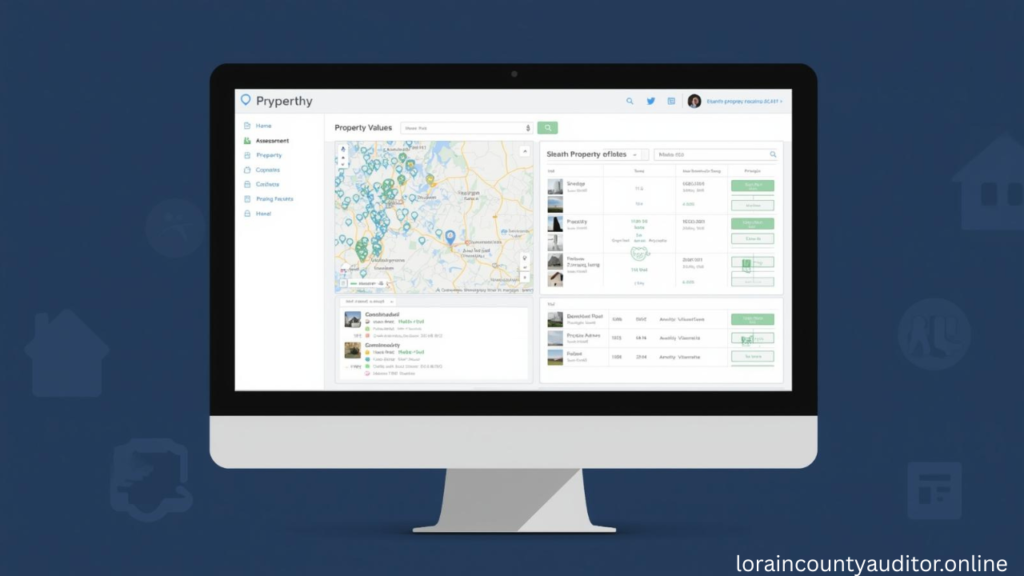
Modern technology has transformed how residents access information from the Lorain County Auditor Office. The online property search system allows you to find detailed information about any parcel in the county within seconds. You can search by address, owner name, or parcel number.
The digital database contains current ownership details, property characteristics, building descriptions, and sales history. Maps show exact property boundaries and locations relative to surrounding parcels. This information proves invaluable when researching potential purchases or verifying your own property details.
Tax payment history appears clearly in the system, showing which years have been paid and any outstanding balances. You can view assessment values from previous years to track how your property’s worth has changed over time. The system even breaks down how your tax dollars are distributed among different government entities.
Mobile access means you can research properties anywhere, anytime. Whether you’re driving through neighborhoods looking at houses or sitting in a coffee shop planning investments, the information stays at your fingertips. The user-friendly interface requires no special training to navigate effectively.
Navigating the Online Portal
Getting started with the online portal takes just moments. The homepage features a prominent search bar where you enter your query. Advanced search options let you filter by property type, value range, or geographic area within the county.
Each property record displays comprehensive details on a single page. Photos of the structure help verify you’ve found the correct parcel. Legal descriptions provide precise boundary information that survives even when street addresses change. Sale dates and amounts give context about market activity.
The mapping feature zooms from county-wide views down to individual lots. Aerial photography shows actual ground conditions, not just surveyed lines. You can measure distances, identify neighboring properties, and understand topographical features. These tools support informed decision-making about any parcel.
Downloading records for your files takes a single click. The system generates printable reports that compile all relevant information in organized formats. You can save these documents for mortgage applications, legal proceedings, or personal reference. Regular updates ensure the data stays current and reliable.
Property Tax Assessment Process
Understanding how the Lorain County Auditor Office determines property values removes much of the mystery from tax bills. The assessment process follows state-mandated procedures designed to ensure uniformity and fairness across all properties. Assessors consider multiple factors when establishing values.
Market sales provide the primary benchmark for residential valuations. The office analyzes recent transactions of comparable properties in your neighborhood. They adjust for differences in size, age, condition, and features. This sales comparison approach reflects what buyers actually pay in the current market.
Commercial properties require more complex valuation methods. Income potential, replacement costs, and market conditions all factor into the calculations. Industrial properties get evaluated based on their specific uses and income-generating capacity. Agricultural land follows different guidelines that consider farming potential and rural market trends.
Reassessments occur on regular cycles mandated by state law. During these periods, field appraisers visit properties to verify details and note improvements or deterioration. They photograph structures and update records with current information. This physical inspection ensures assessments reflect actual conditions, not outdated assumptions.
Factors Affecting Your Assessment
Your property’s assessed value depends on numerous characteristics that appraisers carefully document. Square footage forms the foundation, with larger homes generally valued higher than smaller ones. The number of bedrooms and bathrooms significantly impacts residential assessments.
Construction quality and materials matter greatly in valuation. Brick homes typically assess higher than vinyl-sided structures. Updated electrical systems, modern plumbing, and energy-efficient features add value. Basements, garages, and other outbuildings contribute to overall worth.
Location within the county affects values considerably. Properties near good schools, shopping, and employment centers command premium assessments. Lake access, park proximity, and scenic views increase desirability and value. Conversely, properties near industrial areas or busy highways may assess lower.
Age and condition create significant variations between similar properties. Well-maintained older homes can rival newer construction in value. Deferred maintenance, outdated systems, and structural issues reduce assessments. The auditor’s office strives to capture these nuances in their calculations.
Filing Appeals and Disputes
Sometimes property owners disagree with their assessed values from the Lorain County Auditor Office. The appeals process provides a formal mechanism for challenging assessments you believe are incorrect. Understanding the procedures and deadlines ensures your concerns receive proper consideration.
You must file appeals during specific timeframes established by state law. Missing these windows means waiting until the next reappraisal cycle. The auditor’s office posts deadlines prominently on their website and in public notices. Mark your calendar as soon as you receive assessment notices.
Successful appeals require solid evidence supporting your position. Recent appraisals from licensed professionals carry significant weight. Photographs documenting problems or deterioration help your case. Sales data from truly comparable properties strengthens your argument about market values.
The Board of Revision hears contested cases and makes final determinations. They review evidence from both the property owner and the auditor’s office. Their decisions can increase, decrease, or maintain the existing assessment. The process aims for fairness to both taxpayers and taxing entities.
Preparing Your Appeal
Documentation forms the backbone of any successful property assessment appeal. Gather copies of recent home inspections that identify problems affecting value. Contractor estimates for needed repairs demonstrate financial impacts. Professional appraisals provide expert opinions on true market worth.
Comparable property research requires careful analysis. Find at least three properties similar in size, age, location, and condition. Document their recent sales prices and current assessments. Show how your property compares unfavorably yet carries a higher assessment. Charts and spreadsheets present this information clearly.
Photographic evidence tells powerful stories about property conditions. Capture images of foundation cracks, roof damage, outdated kitchens, or other value-reducing factors. Date-stamped photos prove conditions existed at assessment time. Wide shots and detailed close-ups provide complete context.
Written explanations should be clear, concise, and respectful. State your case factually without emotional language. Reference specific evidence and explain how it supports your position. Professional presentation increases the likelihood of a favorable ruling from the review board.
Payment Options and Deadlines
The Lorain County Auditor Office works closely with the treasurer’s office to ensure smooth property tax collection. Understanding payment options and deadlines helps you avoid penalties and maintain good standing. Multiple methods accommodate different preferences and financial situations.
Property tax bills typically arrive in late December or early January. Two payment periods divide the annual amount into manageable installments. The first half comes due in late February, while the second half requires payment by late July. These dates occasionally shift slightly based on calendar weekends and holidays.
Online payment systems offer convenience and immediate confirmation. Credit cards, debit cards, and electronic checks all work through the secure portal. The system operates 24 hours daily, allowing payments whenever your schedule permits. Email receipts provide documentation for your records.
In-person payments remain popular with many residents who prefer face-to-face transactions. The office accepts cash, checks, and money orders during regular business hours. Staff members provide receipts immediately and answer questions about your account. This personal touch helps some people feel more confident about their payments.
Payment Plans and Assistance
Financial hardships sometimes make full property tax payments challenging. The Lorain County Auditor Office recognizes these struggles and offers resources to help. Special programs assist eligible homeowners in maintaining their properties despite temporary difficulties.
Homestead exemptions reduce tax burdens for qualifying senior citizens and disabled individuals. These programs can save hundreds or thousands of dollars annually. Application forms are available online or at the office. Deadlines for exemption applications fall early in the year.
Payment agreements allow you to spread tax obligations over extended periods. You must contact the treasurer’s office to arrange these plans. They evaluate your situation and propose reasonable payment schedules. Sticking to your agreement prevents accumulation of penalties and interest.
Community resources sometimes provide emergency assistance with property taxes. Non-profit organizations and charitable foundations help people facing foreclosure due to tax delinquency. The auditor’s staff can direct you toward these resources when appropriate. Taking action early creates more options than waiting until foreclosure proceedings begin.
Public Records and Transparency
Transparency stands as a core principle guiding the Lorain County Auditor Office operations. Public records laws ensure residents can access information about property ownership and valuation. This openness promotes accountability and enables informed civic participation.
Anyone can request copies of property records, tax maps, and assessment data. The office maintains files on every parcel in the county going back many decades. Historical records reveal ownership chains, past valuations, and property evolution over time. Researchers, genealogists, and historians frequently use these archives.
Freedom of Information Act requests follow established procedures for accessing records. Written requests specify exactly what information you seek. The office responds within legally mandated timeframes. Some records are available immediately while others require compilation and review before release.
Privacy protections balance transparency with individual rights. Certain personal information receives redaction before records become public. Social security numbers, bank account details, and similar sensitive data remain confidential. The office takes these responsibilities seriously to protect residents while maintaining openness.
Using Public Records
Real estate professionals rely heavily on public records from the Lorain County Auditor Office. Title companies verify ownership chains before completing property transfers. Lenders check tax payment histories to ensure properties aren’t encumbered by delinquent taxes. Appraisers use assessment data and sales records to establish values.
Journalists and researchers access records to investigate community issues and trends. Property ownership patterns reveal economic development or decline in different neighborhoods. Assessment practices can be analyzed for fairness and consistency. Tax revenue data informs debates about public funding priorities.
Individual citizens use records for numerous personal purposes. Homebuyers research properties they’re considering purchasing. Neighbors check assessed values to understand their tax situations relative to surrounding properties. Estate planners gather information about family property holdings.
Students working on academic projects find rich data sources in the auditor’s records. Geography students map property values and analyze spatial patterns. Economics students examine taxation impacts on different income groups. History students trace community development through changing property uses and ownership.
Special Programs and Services
Beyond core assessment and record-keeping functions, the Lorain County Auditor Office administers several specialized programs. These services address specific community needs and support various segments of the population. Knowing about these programs helps you take advantage of available benefits.
The dog tag registration program operates through the auditor’s office in many Ohio counties including Lorain. Pet owners must license their dogs annually to comply with state law. Tags help reunite lost pets with owners and fund animal control services. Registration fees remain modest and the process takes just minutes.
Agricultural land programs provide tax benefits for working farms and forests. Current Agricultural Use Valuation (CAUV) assesses land based on farming value rather than development potential. This program preserves farmland by reducing tax burdens. Forest land programs offer similar benefits for managed timber operations.
Manufactured home titles and transfers process through the auditor’s office. These structures occupy a unique legal space between real property and personal property. The office maintains records and facilitates ownership changes. Understanding these procedures prevents complications when buying or selling manufactured homes.
Homestead Exemption Details
The homestead exemption program provides significant tax relief for qualifying residents. Senior citizens aged 65 or older can reduce their property’s assessed value by $25,000. Disabled individuals regardless of age also qualify for this benefit. The savings compound annually, making substantial differences in tax bills.
Application requires proof of age or disability status. Birth certificates, driver’s licenses, and Social Security documents typically suffice for seniors. Disability applicants need verification from physicians or government agencies. The Lorain County Auditor Office reviews applications carefully but works to approve eligible applicants.
Owner-occupancy requirements mean you must live in the property as your primary residence. Investment properties and vacation homes don’t qualify even if the owner meets age requirements. The property must serve as your permanent address for exemption eligibility.
Once approved, the exemption continues automatically in subsequent years. You don’t need to reapply annually unless your circumstances change. The auditor’s office tracks exemptions and removes them only when properties sell or owners no longer qualify. This automatic renewal simplifies life for beneficiaries.
Technology and Modernization
The Lorain County Auditor Office has embraced technological advancement to improve services. Digital transformation makes information more accessible while improving accuracy and efficiency. Modern systems benefit both staff and the public they serve.
Geographic Information Systems (GIS) revolutionized property mapping and analysis. These sophisticated tools display parcels with incredible precision. Layers of data can be added or removed to visualize different information types. Floodplains, zoning districts, and utility corridors all appear on interactive maps.
Electronic document management eliminates paper storage challenges and improves record retrieval. Thousands of documents are scanned and indexed in searchable databases. Staff can locate specific records in seconds rather than hours. Digital preservation protects irreplaceable historical documents from physical deterioration.
Mobile technology enables field appraisers to work more effectively. Tablets and smartphones allow data entry directly from property sites. Photos upload immediately to central databases. This real-time connectivity reduces errors and improves productivity dramatically.
Working with the Staff
The people behind the systems make the Lorain County Auditor Office function effectively. Understanding how to interact productively with staff members leads to better outcomes. These dedicated public servants want to help you navigate processes and find information.
Preparation before contacting the office saves everyone time. Know your property’s parcel number or address. Have specific questions written down so you don’t forget important details. Gather relevant documents you might need to reference during your conversation.
Respect and courtesy go far in any public service interaction. Staff members handle challenging situations regularly and appreciate polite treatment. Even when frustrated with procedures or outcomes, maintain professional communication. Aggressive or abusive behavior won’t improve your situation.
Timing matters when seeking help with complex issues. Early mornings typically see lighter traffic than lunch hours. Avoid deadline days when possible, as staff members face high demand. Calling ahead to schedule appointments ensures you receive undivided attention.
Communication Channels
Phone calls provide direct access to knowledgeable staff at the Lorain County Auditor Office. Main lines connect you with receptionists who direct calls to appropriate departments. Extensions for specific staff members appear on the website. Leave detailed voicemail messages including your contact information and best callback times.
Email offers convenience for non-urgent questions and document submissions. Most departments maintain monitored email addresses. Include your parcel number and clear subject lines to expedite responses. Expect replies within one to two business days typically.
In-person visits allow for complex discussions and detailed record review. Bring identification and relevant documents for your transaction or inquiry. Front desk staff guide you to appropriate departments. Counter hours accommodate working people with some early or late availability.
Social media presence helps the office share news and updates. Follow official accounts for announcements about deadline changes, office closures, and new services. These platforms aren’t typically monitored for individual questions, so use traditional channels for personal inquiries.
Future Developments and Changes
The Lorain County Auditor Office continues evolving to meet changing community needs. Several initiatives promise to enhance services and improve user experiences. Staying informed about these developments helps you plan accordingly.
Enhanced online services will expand self-service capabilities. Future upgrades may include online appeal filing and expanded mobile functionality. Digital payment options will likely grow to include additional methods. The goal remains making services accessible regardless of location or schedule.
Data analytics tools will provide deeper insights into property trends and market conditions. Advanced reporting features will help residents understand their neighborhoods better. Comparative statistics will become more readily available. These tools support informed decision-making for buyers, sellers, and policymakers.
Community outreach programs will expand educational efforts about property taxation. Workshops and seminars will explain assessment processes in plain language. Online tutorials will guide users through common procedures. Increased transparency builds trust and helps residents engage effectively with their government.
Conclusion
The Lorain County Auditor Office serves as an essential resource for property owners and community members. From assessments to appeals, from online searches to public records, this office touches nearly every aspect of property ownership. Understanding how to access services and information empowers you as a citizen and taxpayer.
Modern technology has made auditor services more accessible than ever before. Online portals provide 24-hour access to detailed property information. Digital payment systems offer convenience and security. Yet personal service remains available for those who prefer face-to-face interactions.
Whether you’re challenging an assessment, researching a property purchase, or simply understanding your tax bill, the resources exist to help you. Take advantage of online tools, contact knowledgeable staff, and stay informed about deadlines and programs. Your engagement with the auditor’s office protects your financial interests and contributes to community wellbeing.
Frequently Asked Questions About Lorain County Auditor Office
Q1: What are the office hours for the Lorain County Auditor Office?
The office operates Monday through Friday from 8:30 AM to 4:30 PM. Hours may vary during holidays, so check their website or call ahead before visiting.
Q2: How do I find my property’s parcel number?
Use the online property search tool on the auditor’s website by entering your address. The parcel number also appears on your property tax bill and deed documents.
Q3: When are property taxes due in Lorain County?
Property taxes are divided into two installments: first half due in late February and second half due in late July. Late payments incur penalties and interest.
Q4: Can I appeal my property tax assessment?
Yes, you can appeal within 30 days of receiving your valuation notice. You’ll need supporting evidence such as appraisals or comparable sales data for the Board of Revision review.
Q5: What is the homestead exemption and who qualifies?
The homestead exemption reduces assessed value by $25,000 for Ohio residents aged 65+ or permanently disabled individuals who own and occupy the property as their primary residence.
Q6: How are property values determined?
Residential properties use sales comparison of similar homes. Commercial properties may use income or cost approaches. Assessors consider size, age, condition, location, and other factors.
Q7: What payment methods does the office accept?
Online payments accept credit cards, debit cards, and electronic checks. In-person payments accept cash, checks, and money orders through the secure website portal.
Q8: Are property records public information?
Yes, most property records including ownership details, assessment values, and sales history are public. The online database provides free 24/7 access with some personal information protected.
Q9: How often are properties reassessed?
Ohio law requires full reappraisals every six years with updates at the three-year midpoint. This ensures assessments remain current with market conditions.
Q10: What happens if I don’t pay my property taxes?
Unpaid taxes accumulate penalties and interest. Continued delinquency can lead to tax liens and eventual foreclosure. Contact the treasurer’s office immediately to explore payment plan options.