
Understanding property records and real estate information in Lorain County doesn’t have to be complicated. The Lorain County Auditor real estate system provides comprehensive data that helps homeowners, buyers, and investors make informed decisions. Whether you’re purchasing your first home, researching property values, or checking tax assessments, this guide walks you through everything you need to know.
The county maintains detailed records on every parcel, from residential homes to commercial buildings. These records include ownership history, sales data, tax information, and property characteristics. Accessing this information has become easier through modern technology and online portals. You’ll discover how to search properties, understand valuations, and utilize resources that were once difficult to obtain.
Property transactions, tax calculations, and market analysis all depend on accurate record-keeping. The auditor’s office serves as the central hub for this vital information. Local real estate professionals rely on these records daily, and you can too. This comprehensive resource empowers you with knowledge about property matters in your community.
Understanding Lorain County Auditor Real Estate Records
The Lorain County Auditor real estate database contains millions of data points about properties throughout the region. Each parcel has a unique identification number that tracks its history from the earliest recorded ownership to present day. These records form the backbone of property transactions and tax administration.
Property characteristics fill the database with specific details about every structure and lot. Square footage, number of rooms, construction materials, and age of buildings all appear in the system. Updates occur regularly as properties change hands or undergo improvements.
Sales history provides crucial market intelligence for buyers and sellers. The database shows transaction dates, sale prices, and parties involved in each transfer. This transparency helps establish fair market values across different neighborhoods.
Tax assessment data connects directly to billing and payment systems. Property owners can verify their assessments match the actual characteristics of their real estate. Discrepancies can be identified quickly and addressed through proper channels.
Accessing the Online Property Search System
The Lorain County Auditor real estate search portal operates 24 hours daily through an intuitive web interface. You can access detailed information from home, office, or anywhere with internet connectivity. The system requires no registration or fees for basic searches.
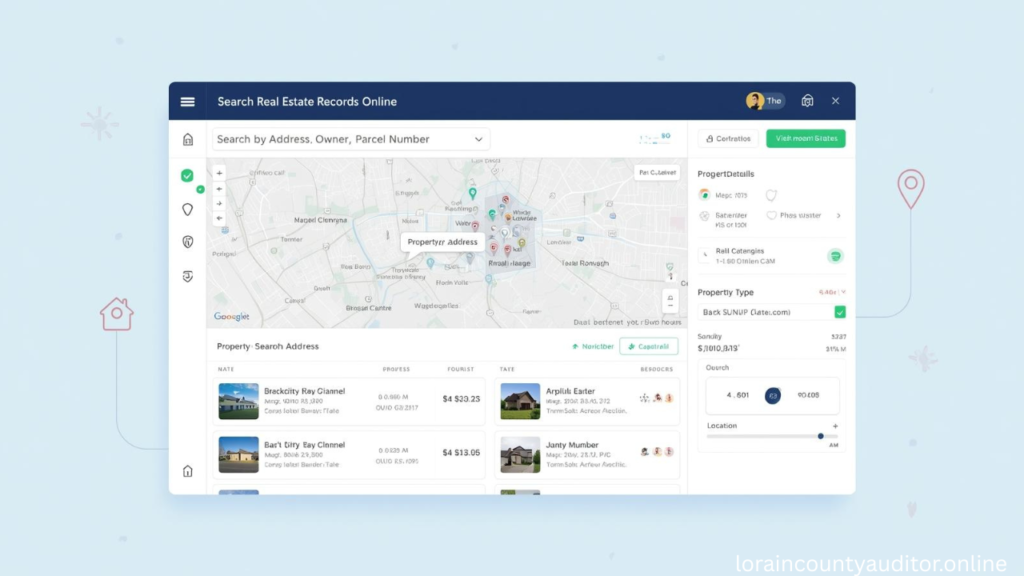
Multiple search options accommodate different information needs. Enter an address to find a specific property instantly. Owner name searches reveal all parcels associated with an individual or entity. Parcel number lookups provide direct access when you have that identifier.
Search results display comprehensive property profiles on single pages. Maps show exact locations and boundary lines. Photographs help verify you’ve found the correct parcel. Assessment values and tax information appear clearly organized.
Advanced filters narrow results based on specific criteria. You can search by property type, value range, or geographic area within the county. Sale date filters help identify recent transactions in neighborhoods you’re researching.
Mobile Access and Features
Smartphone compatibility means you can research properties while driving through neighborhoods. The responsive design adapts to smaller screens without losing functionality. Touch-friendly navigation makes mobile searches as easy as desktop browsing.
Location services can identify properties near your current position. This feature helps when you spot an interesting house but don’t know the address. The system pinpoints nearby parcels on interactive maps.
Saved searches allow you to monitor specific properties or areas over time. Bookmark favorite parcels for quick future access. Email alerts can notify you when saved properties experience status changes.
Offline capabilities let you download property reports for later reference. Save PDF versions of detailed records to your device. Share information easily with family members, real estate agents, or attorneys.
Property Valuation Methods and Assessment
The Lorain County Auditor real estate valuation process follows state-mandated standards ensuring consistency and fairness. Professional appraisers analyze market conditions, property characteristics, and comparable sales data. These evaluations determine the taxable value of every parcel.
Residential properties typically receive valuations based on sales comparison approaches. Recent transactions of similar homes establish baseline values. Adjustments account for differences in size, condition, location, and features between comparable properties.
Commercial real estate requires more complex valuation techniques. Income potential becomes a primary consideration for rental properties and businesses. Replacement cost analysis helps value unique structures that rarely sell on the open market.
Field inspections verify property details and identify changes since the last assessment. Appraisers photograph structures and note improvements or deterioration. These visits ensure assessments reflect current conditions rather than outdated information.
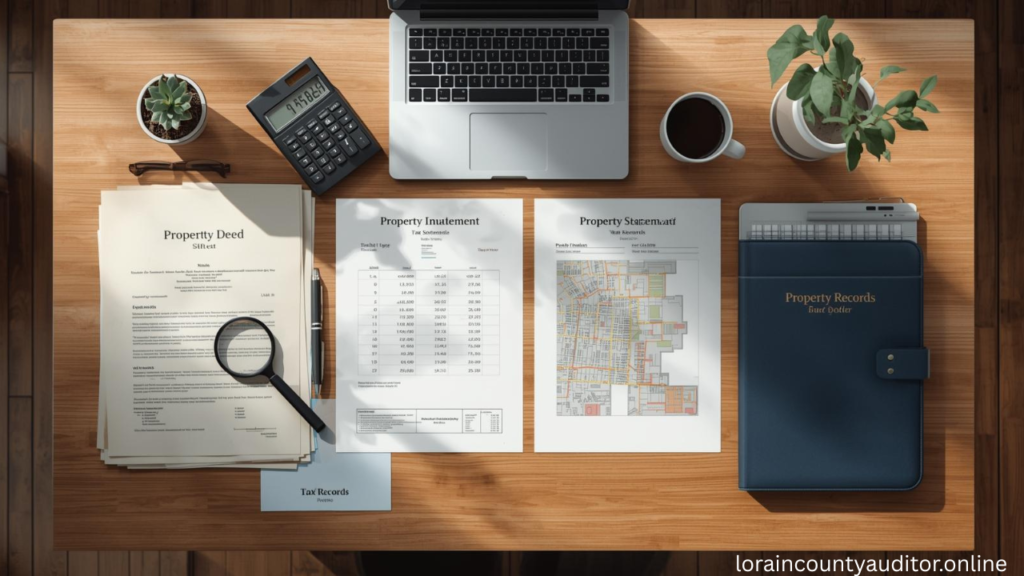
Property documents and research materials showing Lorain County Auditor real estate records including tax assessments, deeds, and comparable sales analysis tools
Factors Influencing Property Values
Location within the county significantly impacts real estate assessments and market values. Properties near quality schools, shopping centers, and employment hubs command premium prices. Waterfront parcels and those with scenic views receive higher valuations.
Physical characteristics determine much of a property’s assessed worth. Larger homes with more bedrooms and bathrooms assess higher than smaller structures. Finished basements, attached garages, and modern amenities add considerable value.
Age and condition create substantial variations between seemingly similar properties. Well-maintained older homes can rival new construction in value. Deferred maintenance, structural issues, and outdated systems reduce assessments significantly.
Market trends influence valuations during reappraisal cycles. Rising home prices in strong markets lead to increased assessments. Economic downturns may result in value decreases reflecting reduced demand and lower sale prices.
Navigating Tax Assessment Information
The Lorain County Auditor real estate tax system calculates bills based on assessed values and millage rates from various taxing entities. Understanding these calculations helps property owners verify their obligations. Schools, municipalities, and county services all receive funding through property taxes.
Assessment values represent a percentage of market value as determined by state law. Ohio uses a 35% assessment ratio for most real estate. A home worth $200,000 in market value carries a $70,000 assessed value for tax purposes.
Millage rates vary by location based on voter-approved levies and budgets. One mill equals one dollar per thousand dollars of assessed value. Your total tax reflects the combined millage from all applicable taxing districts.
Tax reduction programs provide relief for qualifying property owners. Homestead exemptions benefit seniors and disabled individuals. Owner-occupancy credits reward residents who live in their properties rather than renting them out.
Reading Your Tax Statement
Property tax bills break down charges by taxing authority clearly. Separate lines show amounts going to schools, county government, city services, and special districts. This transparency reveals exactly how your tax dollars are distributed.
Payment due dates appear prominently on billing statements. First-half and second-half installment deadlines help property owners budget throughout the year. Penalty information warns of late payment consequences.
Prior year comparisons show how your taxes changed from the previous bill. Increases may result from new levies, reappraisals, or property improvements. Decreases can follow successful appeals or expiring levies.
Contact information connects you with offices that can answer billing questions. Phone numbers and email addresses for the auditor and treasurer appear on statements. Website links direct you to online resources and payment portals.
Property Transfer and Ownership Records
The Lorain County Auditor real estate database tracks ownership changes through conveyance records. Every sale, gift, inheritance, or transfer creates documentation in the system. This complete chain of title helps verify legitimate ownership.
Deed information shows how current owners acquired their properties. Purchase prices from arms-length transactions appear in the records. Family transfers and estate settlements receive different treatment in the database.
Ownership history extends back decades or even centuries for some parcels. Historical research becomes possible through archived records. Genealogists and historians find valuable information in these documents.
Multiple owner situations appear clearly in the records. Joint tenancy, tenancy in common, and corporate ownership structures all display differently. Understanding these distinctions matters for legal and financial planning purposes.
Researching Property History
Sales data reveals pricing trends over time for individual properties. You can see what previous owners paid and when transactions occurred. This history provides context for current market conditions and valuations.
Building permit records connect to property files showing improvements and additions. Major renovations appear in the timeline of each parcel. This information helps explain assessment increases and property evolution.
Ownership duration indicates stability or turnover in neighborhoods. Properties that rarely change hands suggest satisfied, long-term residents. Frequent sales might signal problems or investment property activity.
Legal descriptions provide precise boundary information that survives address changes. Metes and bounds surveys describe property lines in detail. These technical descriptions ensure accurate identification of parcels.
Commercial Real Estate Information
The Lorain County Auditor real estate system contains specialized data for commercial properties. Business owners and investors find detailed information about retail, office, industrial, and mixed-use parcels. Valuation methods differ from residential assessments.
Income and expense analysis forms the basis for commercial valuations. Rental rates, occupancy levels, and operating costs all factor into calculations. Capitalization rates reflect market expectations for different property types.
Zoning information appears in commercial property records helping buyers understand permitted uses. Current zoning classifications determine what businesses can operate in specific locations. Zoning changes appear in the historical record.
Square footage calculations break down by usable space, common areas, and storage. Commercial measurements follow different standards than residential properties. Understanding these distinctions helps in comparing values across properties.
Industrial Property Data
Manufacturing and warehouse facilities receive specialized assessments reflecting their unique characteristics. Building height, loading dock access, and power capacity affect valuations. Environmental considerations may impact certain industrial sites.
Land area becomes particularly important for industrial parcels. Large lots accommodate expansion, parking, and outdoor storage needs. Proximity to transportation networks adds value to industrial locations.
Equipment and fixtures sometimes blur the line between real estate and personal property. Assessment practices separate building values from movable assets. Business owners need to understand these distinctions for accurate tax planning.
Specialized use properties may have limited markets affecting valuations. Single-purpose buildings designed for specific industries can be challenging to assess and sell. These factors appear in property records and assessment calculations.
Agricultural and Vacant Land
The Lorain County Auditor real estate records classify agricultural parcels separately from residential properties. Farmland receives preferential tax treatment through Current Agricultural Use Valuation programs. These programs preserve farming operations by reducing tax burdens.
Soil quality ratings affect agricultural land values significantly. Productive farmland with fertile soils assesses higher than marginal agricultural property. Drainage, topography, and climate factors all influence agricultural assessments.
Vacant land awaiting development carries different valuations than improved properties. Speculation about future use affects market prices more than tax assessments. Zoning potential greatly influences vacant parcel values.
Conservation easements and deed restrictions appear in property records. These legal encumbrances limit future development protecting natural features or agricultural use. They significantly affect both valuations and market appeal.
CAUV Program Details
Current Agricultural Use Valuation reduces taxes for qualifying farmland based on agricultural income potential. This program prevents development pressure from forcing farmers to sell due to high taxes. Minimum acreage requirements and active farming criteria determine eligibility.
Application deadlines fall early in the year requiring advance planning. Property owners must provide documentation of agricultural use. The auditor’s office reviews applications and determines qualification.
Annual renewals happen automatically once enrolled in the program. Property owners must notify the office if circumstances change affecting eligibility. Withdrawal from agricultural use triggers recoupment of tax savings from recent years.
Benefits can be substantial for large farming operations. Savings often reach thousands of dollars annually depending on location and acreage. These programs support the county’s agricultural heritage and rural character.
Appeals and Dispute Resolution
The Lorain County Auditor real estate assessment process includes formal appeal procedures for property owners who disagree with valuations. Understanding these mechanisms helps you exercise your rights effectively. Specific deadlines and evidence requirements govern the appeals process.
Filing windows open after reappraisal notices arrive at your property address. You typically have 30 days to submit complaints to the Board of Revision. Missing these deadlines means waiting years for the next opportunity to appeal.
Evidence requirements demand professional documentation supporting your position. Licensed appraisals carry the most weight in appeal hearings. Comparable sales data, photographs of defects, and expert testimony strengthen cases.
The Board of Revision operates as an independent tribunal hearing evidence from both sides. Board members include county officials and appointed representatives. Their decisions can increase, decrease, or maintain existing assessments.
Preparing Your Case
Comparable property research forms the foundation of successful appeals. Find at least three similar properties recently sold in your neighborhood. Document how your property compares unfavorably despite carrying a higher assessment.
Professional appraisals provide expert opinions about true market value. Licensed appraisers inspect properties and prepare detailed reports. These documents cost several hundred dollars but can save thousands in taxes over time.
Property condition documentation proves assessment inaccuracies or changes since the last inspection. Photographs showing damage, deterioration, or outdated features support value reduction claims. Contractor estimates for needed repairs quantify financial impacts.
Presentation quality matters in Board of Revision hearings. Organized exhibits, clear explanations, and respectful demeanor help your case. Written summaries allow board members to review your arguments carefully.
Market Analysis and Trends
The Lorain County Auditor real estate database enables comprehensive market analysis across the entire county. Researchers can identify pricing trends, hot neighborhoods, and market cycles. This information benefits buyers, sellers, investors, and policy makers.
Sales volume data reveals market activity levels in different areas. High transaction volumes may indicate desirable neighborhoods or market turnover. Low sales numbers might suggest stability or limited inventory.
Price appreciation rates vary significantly across the county reflecting different market dynamics. Some communities experience rapid value growth while others remain stable or decline. These patterns help predict future trends and identify opportunities.
Days on market statistics indicate how quickly properties sell in various locations. Fast-moving inventory suggests strong demand and pricing power for sellers. Slow sales may point to overpricing or market weakness.
Neighborhood Comparisons
Median home values provide useful benchmarks for comparing different areas. These statistics help buyers understand what their budget can purchase in various communities. Investors use this data to identify value opportunities.
Property type distributions vary by neighborhood affecting character and lifestyle. Some areas feature predominantly single-family homes while others offer diverse housing stock. Understanding these patterns helps match buyers with suitable locations.
Age of housing stock influences maintenance needs and aesthetic preferences. Established neighborhoods with older homes appeal to some buyers. Newer subdivisions attract those wanting modern construction and amenities.
School district performance correlates strongly with property values in residential areas. Families prioritize quality education making homes in top-rated districts more expensive. This relationship appears clearly in the auditor’s data.
Working with Real Estate Professionals
The Lorain County Auditor real estate information serves as an essential tool for agents, brokers, appraisers, and attorneys. These professionals access the database daily supporting their clients. Understanding how they use this information helps you work with them effectively.
Real estate agents research comparable properties when pricing listings. The auditor’s sales data provides objective evidence of market values. Agents also check tax information that affects buyer affordability calculations.
Appraisers rely heavily on auditor records when conducting valuations. Property characteristics, sales history, and assessment data all inform their reports. Accuracy of auditor information directly impacts appraisal quality.
Title companies verify ownership and check for tax delinquencies before closing transactions. Clean title requires confirming current owners match deed records. Outstanding tax liens must be satisfied before properties can transfer.
Attorney and Investor Use
Real estate attorneys examine property records during transaction reviews and dispute resolution. Easements, restrictions, and boundary questions often require researching auditor files. Historical ownership information helps resolve title issues.
Investors analyze auditor data to identify undervalued properties and market opportunities. Tax delinquency lists reveal potential acquisitions. Assessment versus market value comparisons help spot mispriced properties.
Property managers need tax information for budgeting and pass-through calculations. Knowing assessment values and millage rates helps project future costs. Changes in taxation affect rental property profitability significantly.
Mortgage lenders verify property information during loan underwriting processes. Tax payment history demonstrates borrower responsibility. Assessment values help establish loan-to-value ratios for financing decisions.
Online Tools and Resources
The Lorain County Auditor real estate website offers numerous tools beyond basic property searches. Interactive maps, data downloads, and specialized calculators enhance user experience. These resources make complex information accessible to everyone.
GIS mapping technology displays properties with aerial photography and boundary overlays. Multiple data layers can be toggled on and off for customized views. Measurement tools calculate distances and areas directly on maps.
Tax calculators estimate bills based on assessed values and current millage rates. These tools help buyers understand long-term ownership costs before purchasing. Sellers can project tax implications of property improvements.
Document libraries provide forms, instructions, and reference materials. Homestead exemption applications, appeal forms, and payment agreements all download easily. Frequently asked questions address common concerns and procedures.
Data Export Options
Property lists can be generated and exported for analysis in spreadsheet programs. Researchers create custom datasets for specific purposes. Real estate professionals compile market reports using exported data.
Bulk data sales provide complete databases for commercial users. Title companies, appraisers, and large investors purchase these comprehensive files. Regular updates keep commercial users current with the latest information.
API access allows developers to integrate auditor data into third-party applications. Real estate websites and mobile apps pull information directly from the county database. This connectivity expands data accessibility beyond the official website.
Historical data archives preserve property information from past years. Trend analysis requires comparing current records with historical values. These archives support research projects and long-term planning initiatives.
Future Technology and Services
The Lorain County Auditor real estate system continues evolving with emerging technologies. Planned improvements will enhance user experience and data accuracy. Staying informed about these developments helps you take advantage of new capabilities.
Mobile applications may offer dedicated platforms for smartphone and tablet users. Push notifications could alert users to status changes on saved properties. Location-based features might highlight properties near your current position.
Artificial intelligence tools could provide automated property valuations and market predictions. Machine learning algorithms analyze historical data identifying patterns humans might miss. These technologies support better decision-making for all users.
Blockchain integration might revolutionize property record-keeping and transfers. Distributed ledger technology ensures tamper-proof ownership documentation. Smart contracts could automate aspects of real estate transactions.
Virtual reality tours may link to property records allowing remote property visits. 3D modeling technology recreates structures from basic data and photographs. These immersive experiences help buyers evaluate properties without physical visits.
Conclusion: Maximizing Your Property Knowledge
The Lorain County Auditor real estate system empowers property owners, buyers, and professionals with comprehensive information. Understanding how to access and interpret this data gives you significant advantages. Whether researching potential purchases, verifying your assessment, or analyzing market trends, these resources serve your needs.
Modern technology has democratized access to property information once available only to insiders. Anyone with internet access can research properties as thoroughly as professionals. This transparency promotes fairness and informed decision-making throughout the real estate market.
Take advantage of online tools, understand valuation processes, and know your appeal rights. Stay informed about tax deadlines and payment options to avoid penalties. Use market data to guide your real estate decisions with confidence.
The auditor’s office continues improving services and expanding capabilities. New features and tools emerge regularly making property research easier and more comprehensive. Your engagement with these systems protects your interests and contributes to community transparency.
Property ownership represents significant financial commitment requiring informed management. The resources available through the county auditor help you make smart decisions. Knowledge truly is power when it comes to real estate matters.
FAQ Section
Q1: How do I search for properties on the Lorain County Auditor real estate website? Visit the official website and use the property search tool by entering an address, owner name, or parcel number for instant results.
Q2: What information is available in property records? Records include ownership details, sales history, tax assessments, property characteristics, building descriptions, and payment status for each parcel.
Q3: How are real estate values determined in Lorain County? Values are based on market sales comparisons for residential properties, income approaches for commercial parcels, and agricultural use for farmland.
Q4: Can I appeal my property assessment? Yes, file appeals within 30 days of receiving assessment notices with supporting evidence like appraisals or comparable sales data.
Q5: What is the homestead exemption program? This program reduces assessed values by $25,000 for qualifying seniors aged 65+ and disabled residents who occupy their properties.
Q6: How often are properties reassessed? Full reappraisals occur every six years with updates at the three-year midpoint following state-mandated schedules.
Q7: Are property tax records public information? Yes, most records including ownership, assessments, and sales history are publicly accessible through the online database.
Q8: What payment options are available for property taxes? Online payments via credit card or electronic check, in-person with cash or check, and mail-in options are all available.
Q9: How does CAUV benefit agricultural landowners? Current Agricultural Use Valuation assesses farmland based on agricultural income rather than development value, significantly reducing taxes.
Q10: Where can I find property boundary information? Interactive GIS maps on the website display parcel boundaries with aerial photography and measurement tools.